Home/Categories/Beverages/Red Bull Energy Drink
Moderate Sugar
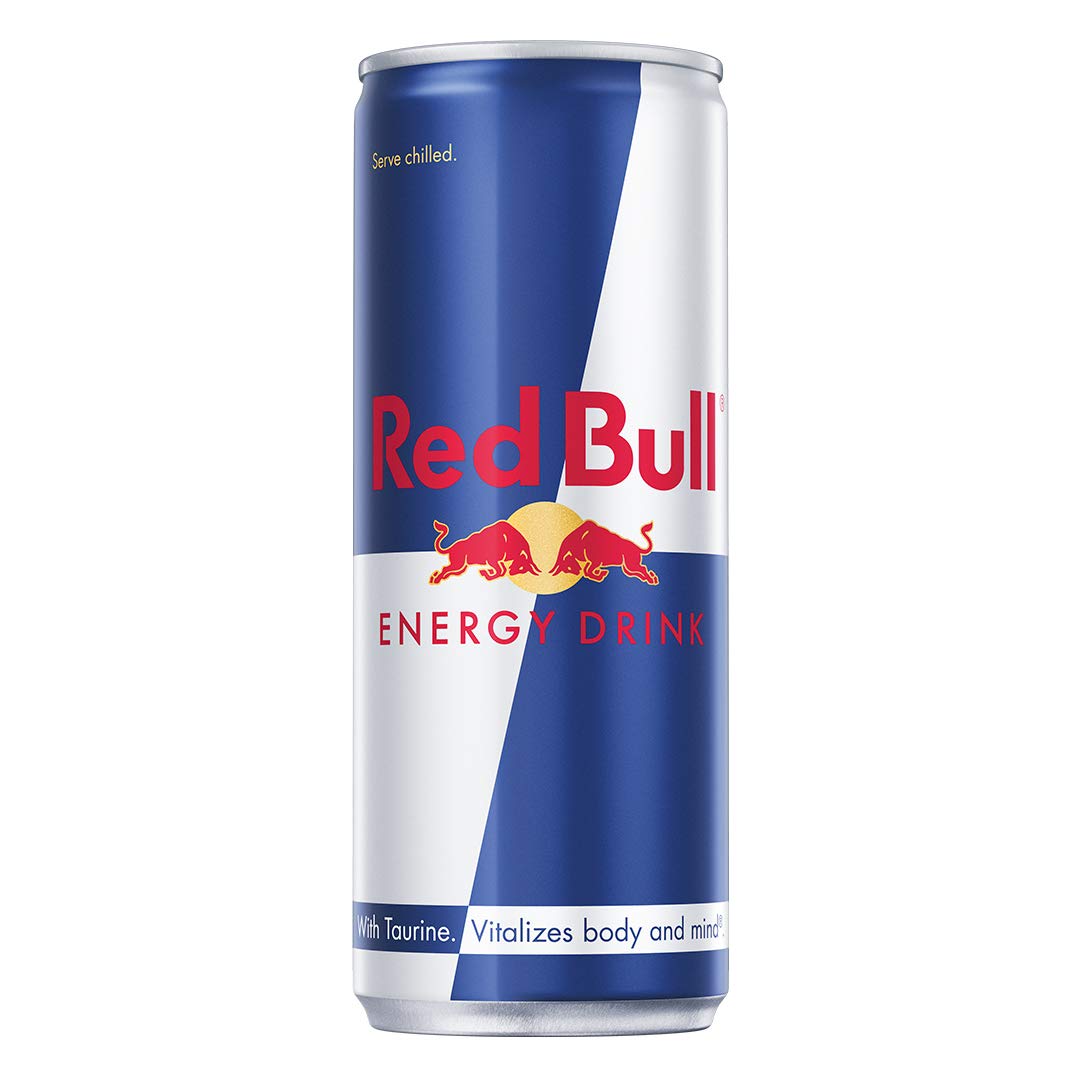
Red Bull Energy Drink

Red Bull

Red Bull Energy Drink

Brand:Red Bull
Net Wt:1250g

Total Sugar

27.5gper serving

6.9 Cubes(4g/cube)

Daily Limit55%

based on WHO guideline (50g)

60

Health Score

Overall Rating

210

Calories (kcal)

Ultra-Processed
High Calorie Density
Vegetarian
Energy
210kcal
Proteins
5g
Fats
7g
Carbs
38g

Product Summary

Introducing Red Bull Energy Drink from Red Bull, a standout option in the Beverages aisle. This ultra-processed product contains 210 kcal of energy per 100g. It is characterized by its high sugar content of 27.5g and 5g of protein. With a total fat content of 7g, this Beverages should be consumed in moderation. Ideally suited for those looking for a quick energy boost while being mindful of their intake.

Sugar Impact Analysis

Health Insights

Consuming 27.5g of simple sugars causes a rapid insulin spike, signaling the liver to store excess glucose as fat.

Health Analysis & Pros/Cons

The Good

  • Contains Natural Flavors
  • Quick Energy Source

The Bad

  • High Added Sugar
  • Low Fiber Content

Calorie Breakdown

50gTotal Macros
14%Fat
10%Protein
76%Carbs

Processing Level

Ultra-Processed

Group 4

Formulations of ingredients, additives.

NaturalUltra

Contains industrial additives or high-fructose corn syrup designed for shelf life.

Product Details

Red Bull Energy Drink is a carbonated energy beverage formulated to boost alertness and energy levels. It contains sugar, caffeine, taurine, B-vitamins, and flavouring. With its moderate-to-high sugar content, it should be consumed carefully if you’re monitoring daily sugar intake.

Detailed product analysis provided by SugarTracker's AI engine based on available database records.

Typical ValuesPer 100gPer Serving (1250g)
Energy (kcal)21042
Fat7g1g
of which saturates3g1g
Carbohydrate38g8g
of which sugars27.5g5.5g
Protein5g1g
Salt0.058g0.01g

Scientific Consensus

Clinical Evidence & Research

Sugar-sweetened beverages and weight gain in children and adults: a systematic review

American Journal of Clinical Nutrition, 2013

Systematic review confirming the link between SSB consumption and weight gain.

Read Full Study (DOI)

Relationship between Added Sugars Consumption and Chronic Disease Risk Factors

JAMA Internal Medicine, 2014

Study finding significant association between added sugar intake and cardiovascular mortality.

Read Full Study (DOI)

Ultra-processed foods and adverse health outcomes

BMJ, 2024

Umbrella review of meta-analyses finding direct associations between ultra-processed food exposure and 32 health parameters.

Read Full Study (DOI)

These studies are selected based on the key ingredients/nutrients found in this product.

Common Questions

Frequently Asked Questions

Consumption Guidance

Ideally, consume this product after a meal (post-prandial) rather than on an empty stomach to minimize blood sugar spikes. Pair with fiber or protein if possible.

Disclaimer: The information provided for "Red Bull Energy Drink" is based on available nutritional data and general health guidelines. It is not intended as medical advice. Individual responses to sugar and ingredients may vary. Always consult a healthcare professional for specific dietary needs.

Data Sources & Bibliography

[WHO-2015] Guideline: Sugars intake for adults and children

Source: World Health Organization (WHO) • Year: 2015

[FDA-GRAS] Food Additive Status List (GRAS)

Source: U.S. Food & Drug Administration • Year: 2024

[PUBCHEM] PubChem Open Chemistry Database

Source: National Institutes of Health (NIH) • Year: Ongoing

[EJCN-2020] Impact of ultra-processed foods on health outcomes

Source: European Journal of Clinical Nutrition • Year: 2020

Editorial Standards

SugarTracker prioritizes accuracy and scientific consensus. Our analysis relies on trusted global databases (USDA, WHO, FDA). The "Health Score" and "Processing Level" are proprietary algorithms based on established nutritional frameworks (such as Nutri-Score and NOVA).

*Medical Disclaimer: Content is for informational purposes only. Consult a physician for medical advice.